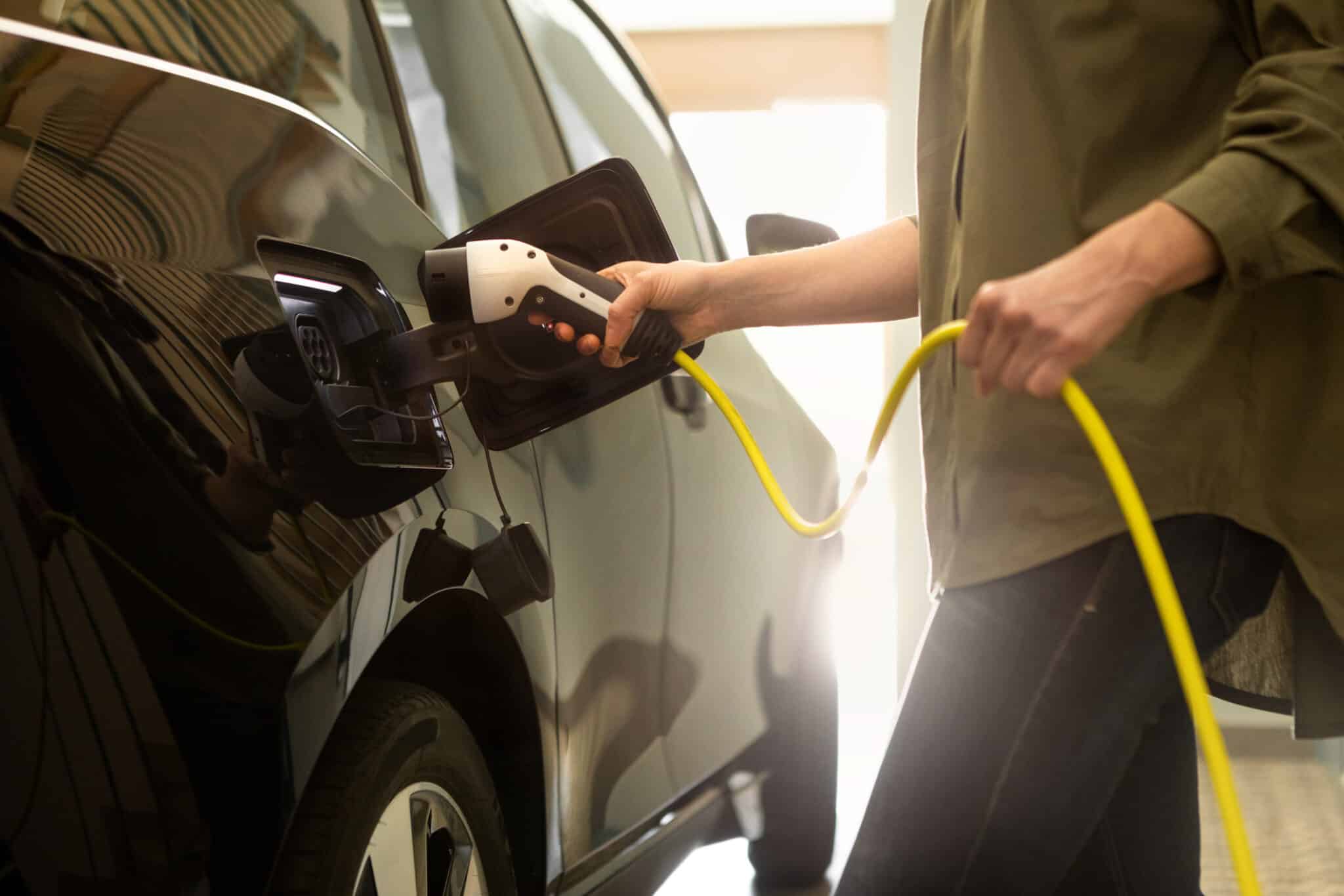
Southern California drivers count on their EVs to keep the day moving, but public charging doesn’t always cooperate. You pull up for a quick top-off, and suddenly you’re in a slow-moving line that feels more like waiting for brunch than fueling a car. Speeds dip, pricing jumps, and that simple charge turns into another stop you didn’t plan for.
Home EV charging changes the entire experience. Plug in at night, head inside, and wake up with a full battery without ever checking a charger map. A Level 2 system delivers a steady daily range while homeowners save money through lower utility rates and predictable charging times.
This post breaks down what life looks like with home charging compared to public stations, showing how much time, money, and frustration drivers can save by bringing charging into the garage. It also covers how professionals install safe, licensed, and certified home EV charging systems that keep your routine running smoothly. For more information on the benefits to having your own home EV Charger, check out our other blog on the topic.
What This Post Will Cover
- Convenience Comparison: Home Charging vs Public Stations: Explains how daily charging habits differ between home setups and public stations, and why most drivers gain more comfort, speed, and predictability with a home charger.
- Cost & Savings for Southern California Drivers: Breaks down installation costs, utility pricing, incentives, and long-term savings while comparing the ongoing expenses of home charging and public charging.
- Charging Speed & Battery Health: Covers how fast home Level 2 chargers perform compared to public chargers and how each option affects battery longevity and everyday usability.
- Why Work With Trout Electric: Highlights Trout Electric’s experience, certifications, safe work practices, and support throughout the EV charger installation process.
Convenience Comparison: Home Charging vs Public Stations
Most EV drivers want charging to fit naturally into the day, not interrupt it. That’s where home charging stands out. With a Level 2 charger, fueling becomes part of your routine instead of another errand. Public stations, on the other hand, often require planning around traffic, charger availability, and the amount of time you can wait.
Home charging gives drivers more predictability and flexibility, especially for Southern California commutes. Public stations still serve a purpose, but they work better as a backup than a primary fueling source.
Home Charging Benefits
- Consistent overnight charging for a full battery each morning
- No lines, wait times, or unexpected downtime
- Works seamlessly with Tesla and Level 2 chargers
- Supports predictable daily mileage
- Takes advantage of lower off-peak utility rates
Where Public Charging Fits
- Long-distance travel and road trips
- Occasional emergency top-offs
- Situations where home charging isn’t installed yet
- Charging while shopping or running errands when timing allows
- Temporary solution for renters or shared parking setups
Cost & Savings for Southern California Drivers
Charging at home helps drivers manage fueling costs more predictably. With a Level 2 charger, homeowners can rely on lower time-of-use electricity rates, which often cost far less than public charging. Over time, this makes home charging the more affordable option for daily driving across Southern California.
Public charging, while helpful in certain situations, introduces variable pricing. Fast chargers often have higher per-kWh rates, idle fees, and location-based markups. These added costs make public stations more suitable for occasional use rather than everyday fueling.
Home Charging Cost Breakdown
- Lower off-peak electricity rates reduce daily fueling costs
- One-time installation creates long-term savings
- Less reliance on costly DC fast chargers
- Predictable monthly charging expenses
- Access to utility incentives and rebates for Level 2 installation
Public Charging Cost Factors
- Higher per-kWh pricing at many public stations
- Idle fees that increase the total session cost
- Pricing changes based on time of day and provider
- Fast charging premiums for quicker speeds
- Added travel time that may increase the total trip cost
Charging Speed & Battery Health
Charging speed plays a major role in how well an EV fits into daily life. Home Level 2 chargers provide a steady, reliable range each night, which is more than enough for most Southern California commutes. Because the charging speed is consistent, drivers know exactly what to expect every morning without planning around station availability.
Public fast chargers deliver quick bursts of energy, but they’re designed for occasional use. Relying on them every day can lead to more battery stress and inconsistent performance. Home charging offers a balanced approach that supports long-term battery health and daily convenience.
Typical Home Charging Speeds
- Adds about 20 to 50 miles of range per hour
- Works well for overnight charging and daily driving
- Provides consistent charging without interruptions
- Helps maintain battery health with moderate charging rates
- Fits easily into most residential routines
How Public Fast Charging Affects Batteries
- Fast charging generates more heat, which can increase long-term battery wear
- Charging speeds often slow down after the initial session to protect the battery
- Frequent sessions can reduce overall battery performance over time
- Best used for road trips or occasional top-offs
- Less predictable due to station load and equipment variation
Why Work With Trout Electric
Trout Electric helps Southern California homeowners move to home EV charging with confidence. For more than 15 years, our licensed and insured team has delivered reliable electrical service backed by safe work practices and clear communication. Homeowners receive step-by-step guidance through the full EV charger installation process, from site assessment to final testing.
We are Qmerit and EVITP-certified, which confirms our skill with EV charging systems, panel upgrades, and modern electrification projects. Financing is available to make adding a home charger simple. With deep experience installing residential EV chargers, including Tesla and Level 2 systems, Trout Electric builds charging setups that protect your home’s electrical system and increase daily convenience.
The Trout Guarantee
Every EV charger installation includes the Trout Guarantee. Work is completed the right way the first time, and satisfaction is backed by clear, upfront pricing with no charges beyond the quoted repair price.
All labor and parts include at least a one-year warranty. Any return visit during the warranty period is free of repair costs. Technicians leave the work area as clean as they found it or cleaner, giving homeowners peace of mind from start to finish.
Hire Trout Electric for Your Electrical Panel Upgrade
If you want faster charging, lower daily costs, and greater convenience, now is the right time to add a home EV charger. Trout Electric installs reliable Level 2 and Tesla charging systems that support your current vehicle and future upgrades.
Contact the team today to request an estimate or schedule your installation.